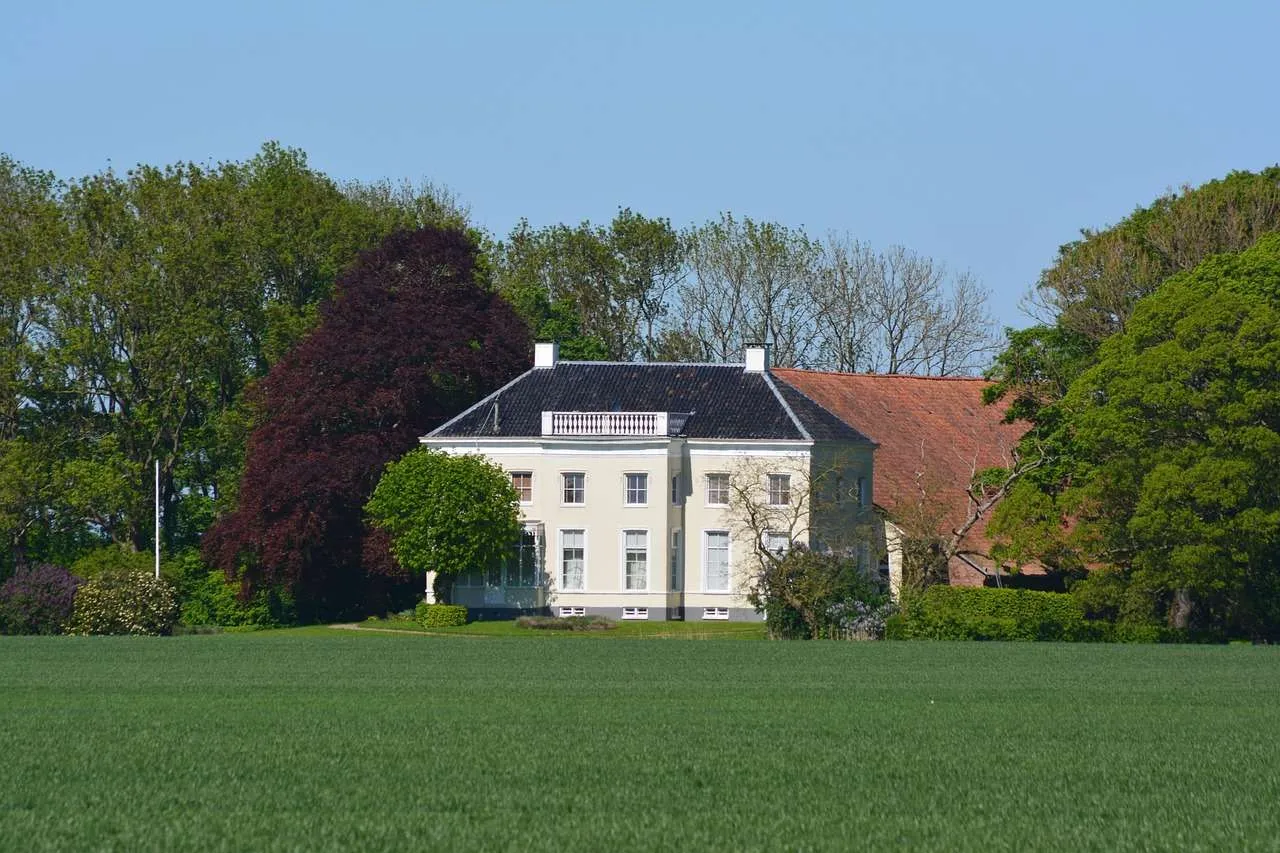
Timely care and proper repair of roofing protect the home from water damage, extend the life of the roof, and preserve property value. A structured approach helps homeowners differentiate between urgent fixes and routine maintenance.
What constitutes repair of roofing?
Repairing a roof means fixing or patching specific problems that affect its function or integrity without replacing the entire system. Common repairs include sealing leaks, replacing damaged or missing shingles, repairing flashing at chimneys and vents, resealing joints, and addressing damaged roof decks where moisture has caused rot. When damage is extensive and the structure or warranty is at risk, a full replacement may be warranted, but targeted repairs often extend the life of existing materials.
Common roofing issues that require repair
- Leaks around chimney stacks, vents, flashing, or joints
- Damaged, curled, or missing shingles
- Worn or corroded flashing or vent seals
- Granule loss and exposed roof decking
- Ice dam damage or ponding on flat roofs
- Hail impact dents or punctures
DIY vs professional repair
Small, easily accessible fixes may be performed by a confident homeowner with proper safety precautions and the right materials. However roof work carries fall risks and hidden damage can escalate quickly. If the roof is steep, near or over living spaces, or the issue involves flashing, structural components, or multi layered membranes, hire a licensed roofing contractor. Professional repair can protect warranties and ensure code-compliant work.
Repair steps: what to expect
- Inspect from the attic to locate the water intrusion source and check for insulation or ventilation issues.
- Perform a surface roof inspection from ground level or a safe ladder line to identify damaged areas and plan the repair.
- Determine if a temporary fix is needed to stop the leak and schedule a permanent repair.
- Carry out the repair: replace damaged shingles, reseal flashing, repair vent boots, or fix the decking if rot is present.
- Document work and ensure a warranty or guarantee is provided by the contractor.
Table: repair vs replacement vs maintenance
| Option | Typical Lifespan | When to Choose | Pros | Cons |
|---|---|---|---|---|
| Repair | 1-5 years (local) | Localized damage, minor leaks, or worn flashing | Lower cost, faster | May need recurring fixes |
| Replacement | 15-30+ years | Extensive damage, multiple leaks, or aged roofing | Durability, warranty | Higher upfront cost |
| Maintenance | Variable | Preventive care, seasonal inspections | Longevity, fewer surprises | Ongoing schedule |
Cost considerations
Repair costs vary by the type of roof, extent of the damage, accessibility, and regional labor rates. Typical minor leak repairs might range from a few hundred dollars to around one thousand, while larger repairs that involve flashing or decking can reach several thousand dollars. A professional assessment provides an accurate estimate and helps avoid paying for unnecessary work. Regular maintenance often reduces the frequency of major repairs and can lower lifetime costs.
Choosing a roofing contractor
- Verify licenses and insurance are current for your area
- Check references and view recent project photos similar to your roof type
- Obtain written estimates detailing scope, materials, and warranties
- Ensure adherence to safety standards and permitting requirements
- Ask about material warranties and workmanship guarantees
Prevention and maintenance tips
- Schedule seasonal roof inspections and address issues promptly
- Keep gutters clean and free of debris to prevent water backup
- Trim overhanging branches and remove obstacles that can scrape or puncture roofing
- Ensure attic ventilation and insulation are adequate to reduce condensation
- Address ice dam risk with proper insulation and ventilation in cold climates
Conclusion, with careful assessment, informed decisions, and timely repairs, homeowners can protect their roofs, extend service life, and minimize long-term costs. Working with qualified professionals and committing to routine maintenance are essential to reliable repair of roofing and long-term home resilience.