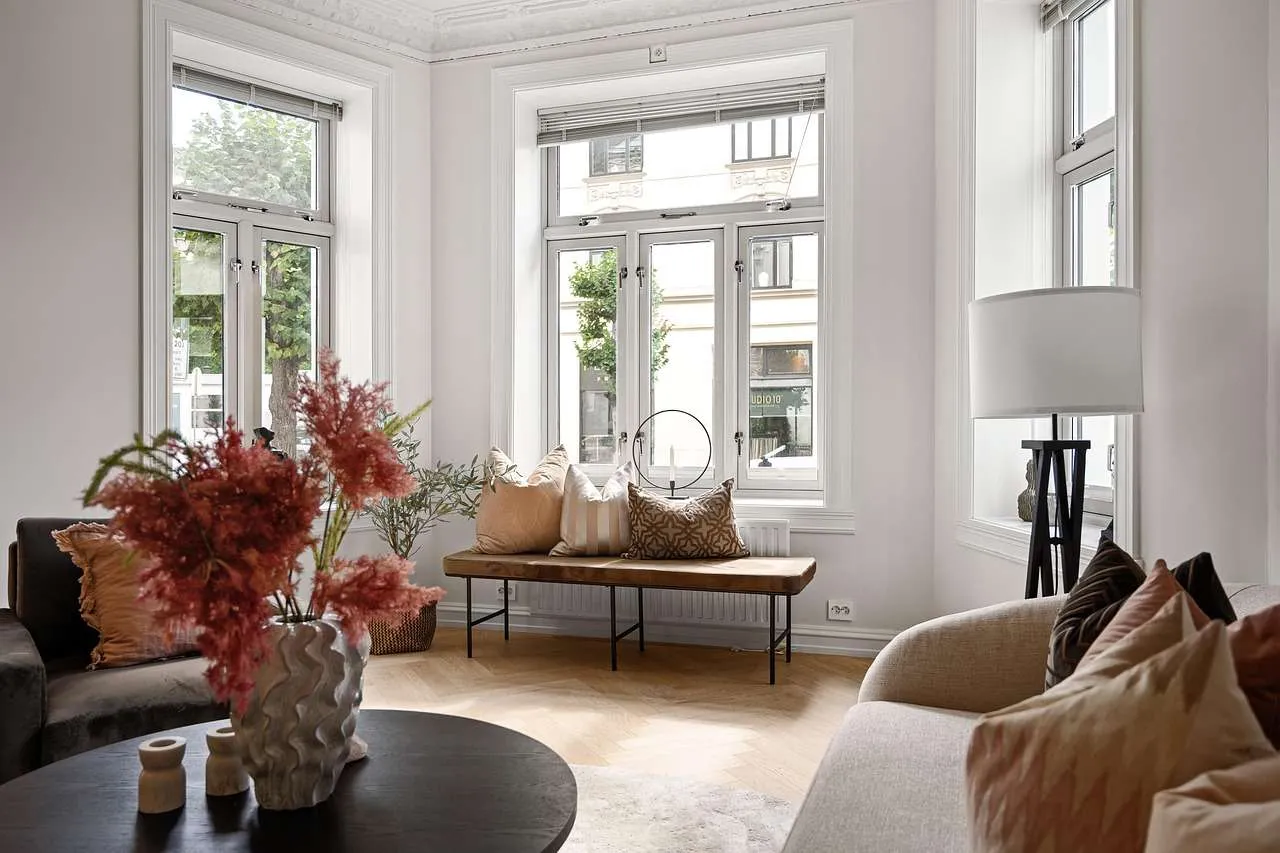
What is home window tinting and why it matters
Home window tinting refers to applying a thin film to residential glass to control heat, glare, UV exposure, and privacy. When installed by a qualified professional, the right film can improve indoor comfort, protect furnishings, and reduce energy use. For homeowners seeking credible, EEAT-compliant guidance, choosing the right film and installer is essential to long term satisfaction and safety.
Benefits of home window tinting
- Heat and glare reduction for a more comfortable living space
- Enhanced UV protection to prevent fading of floors, furniture, and belongings
- Improved privacy without darker interior lighting
- Protection against shattered glass in case of impact
- Potential energy savings and lower cooling costs
Choosing the right film: types explained
Dyed window film
Dyed films are a budget friendly option that adds privacy and reduces glare. They absorb heat but may fade over time and are less effective for long term heat control compared with advanced films.
Metalized window film
Metalized films reflect a portion of solar energy, delivering strong heat rejection. They can create a mirrored appearance and may interfere with electronics and radio signals if not specified for residential use.
Ceramic window film
Ceramic films offer excellent heat rejection, high UV protection, and clear appearance. They are non conductive, preserve signal quality for devices, and tend to be more durable, though at a higher price point.
Hybrid window film
Hybrid films combine dyes and ceramic or metal particles to balance performance and cost. They typically provide good heat control with fewer interference issues than metalized options.
Key factors to consider when selecting a tint
Before buying, evaluate these criteria to match performance with your goals:
- Visible Light Transmission VLT and SHGC to balance daylight and heat control
- UV rejection to protect furnishings and skin from exposure
- Color and appearance from inside and outside the home
- Safety and warranty coverage from the manufacturer and installer
- Local laws or HOA rules that govern tint darkness on residential windows
Installation considerations and maintenance
Professional installation is recommended for consistent adhesion, edge sealing, and warranty validity. Professionals assess sun exposure, window type, and framing to select the right film thickness and installation method. Proper cleaning and occasional inspection help maintain clarity and performance. Avoid abrasive cleaners and harsh solvents that can scratch or degrade the film.
Cost overview and return on investment
Prices vary by film type, window size, and labor. Typical ranges per square foot (rough estimates):
- Dyed film: low to mid range
- Metalized film: moderate
- Ceramic film: higher but superior performance
- Hybrid film: mid to high
Expected ROI comes from reduced cooling loads, less glare, and better furniture preservation. In many markets, a professional installation pays back over time through energy savings and increased comfort, especially in hot climates.
Comparison at a glance
| Type | Pros | Cons | Ideal Use | Estimated Cost Range |
|---|---|---|---|---|
| Dyed film | Low cost, privacy, good glare reduction | Less durable, fades over time, moderate heat control | 5–8 $/sq ft | |
| Metalized film | Strong heat rejection, reflective exterior | Possible electronics interference, glare on sunny days | Bright rooms with high sun exposure, privacy textures | 7–10 $/sq ft |
| Ceramic film | Excellent heat control, high UV protection, non conductive | Higher cost | Premium comfort, clear appearance, electronics-friendly | 8–15 $/sq ft |
| Hybrid film | Balanced performance and price | Mid to high cost | General purpose with good heat and glare control | 9–12 $/sq ft |
Frequently asked questions
How long does home window tinting last? Most high quality films last 10 to 15 years with proper care. Can I install tint myself? DIY kits exist, but professional installation ensures warranty coverage and proper adhesion, especially on large or curved panes. Do tint films block 100 percent of UV? Most films block nearly all UV radiation, though not all forms equal in UV protection. Always verify UV rejection ratings from the manufacturer.
Conclusion
Conclusion: Home window tinting offers meaningful comfort, protection, and energy savings. By selecting the right film type, considering VLT and SHGC, and using a qualified installer, homeowners can achieve durable results that enhance daily living while preserving interior furnishings and improving home value. Summary: With the right film and expert installation, home window tinting delivers privacy, UV protection, glare reduction, and energy efficiency, making it a smart upgrade for most residences.