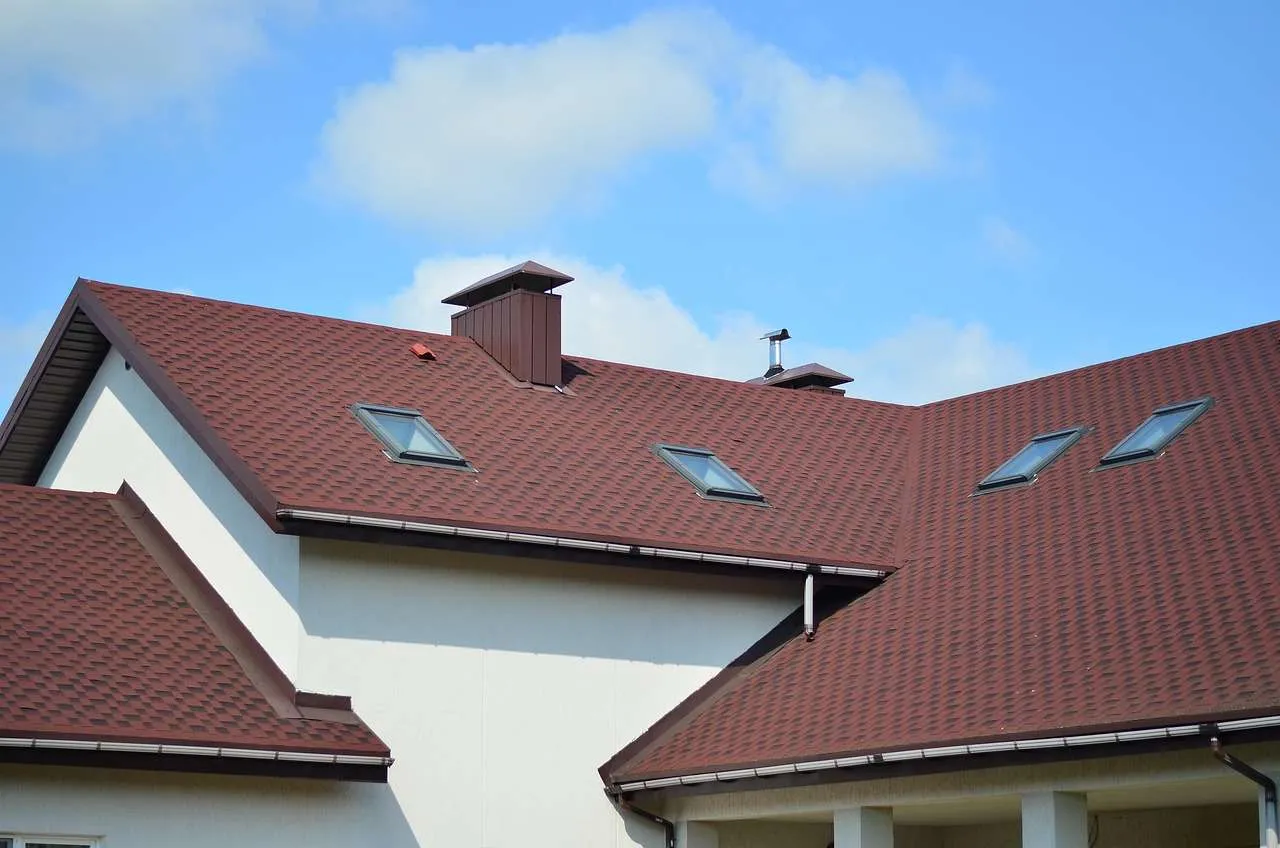
Thermoplastic Polyolefin (TPO) roofing has rapidly become one of the most popular choices for both commercial and residential flat roofing projects. Known for its durability, energy efficiency, and cost-effectiveness, TPO roofing offers an array of benefits that meet the demands of modern building standards.
What is TPO Roofing?
TPO roofing refers to a single-ply roofing membrane composed primarily of polypropylene and ethylene-propylene rubber. It is commonly installed on low-slope roofs, forming a seamless and reflective surface that enhances energy savings and weather resistance.
Key Characteristics of TPO Roofing
- Material Composition: A blend of rubber and plastic that creates a flexible, UV-resistant membrane.
- Thickness: Available in varying thicknesses, typically ranging from 45 to 80 mils, to suit different durability needs.
- Installation Methods: Can be mechanically attached, fully adhered, or ballasted depending on the project specifications.
Benefits of TPO Roofing
Choosing TPO roofing provides several advantages, particularly for commercial property owners looking for an efficient and long-lasting roofing solution.
- Energy Efficiency: TPO membranes have excellent reflective properties, often rated with high solar reflectance and thermal emittance. This helps reduce cooling costs by reflecting UV rays and minimizing heat absorption.
- Durability and Weather Resistance: Resistant to punctures, tears, and chemical exposure, TPO can withstand harsh weather conditions including hail, wind, and extreme sun exposure.
- Cost-Effectiveness: Compared to other roofing options like PVC or EPDM, TPO offers a balanced cost with high performance and ease of installation.
- Eco-Friendly: Many TPO membranes are produced without chlorine, making them more environmentally friendly and recyclable at the end of their lifespan.
- Ease of Maintenance: Seam welds and sturdy materials reduce the likelihood of leaks, while the membrane can be repaired efficiently if damage occurs.
Installation Process of TPO Roofing
Proper installation is critical to maximize the lifespan and performance of a TPO roof.
Step 1: Roof Inspection and Preparation
A thorough inspection ensures the roof deck is clean, dry, and structurally sound. Damaged or weak areas are repaired before membrane application.
Step 2: Membrane Installation
TPO membranes are rolled out across the roof surface. Depending on the chosen method, they are either mechanically fastened with plates and screws, fully adhered using adhesives, or laid loosely with ballast (such as stone).
Step 3: Seaming
The seams between membrane sheets are heat-welded, creating a watertight and strong bond. This method ensures durability and reduces the risk of leaks.
Step 4: Final Inspection
After installation, a complete inspection ensures seams are flawless and there are no punctures or weaknesses.
Comparison: TPO Roofing vs. PVC and EPDM
| Feature | TPO Roofing | PVC Roofing | EPDM Roofing |
|---|---|---|---|
| Material | Thermoplastic Polyolefin (rubber and polypropylene) | Polyvinyl Chloride (chlorinated plastic) | Ethylene Propylene Diene Monomer (synthetic rubber) |
| Durability | Good - Resistant to chemicals and UV | Excellent - Highly resistant to chemicals, fire, and punctures | Good - Excellent weather resistance but less UV reflective |
| Energy Efficiency | High - Very reflective, reduces cooling costs | High - Excellent reflectivity and energy savings | Moderate - Less reflective; darker colors absorb heat |
| Cost | Moderate - Cost-effective option | Higher - More expensive upfront | Lower - One of the least expensive |
| Environmental Impact | Chlorine-free, recyclable | Contains chlorine, less eco-friendly | Chlorine-free, recyclable |
| Installation | Heat-welded seams, flexible methods | Heat-welded seams, highly customizable | Mechanically fastened or fully adhered; glued seams |
Is TPO Roofing Right for Your Project?
TPO roofing is an excellent choice for those seeking a balance between budget, energy efficiency, and durability. It is especially suited for commercial buildings with low-sloped roofs that require a reliable membrane that can tolerate tough weather and reduce energy costs.
However, it’s important to consider factors such as roofing contractor experience, local climate, and maintenance capabilities before deciding.
Maintenance Tips for TPO Roofing
- Regular Inspections: At least twice a year and after severe weather.
- Clean Debris: Remove leaves, dirt, and other debris to prevent damage or ponding water.
- Prompt Repairs: Address punctures or seam issues immediately to avoid leaks.
- Professional Service: Engage qualified roofing professionals for repairs and maintenance checks.
Summary: TPO roofing stands out as a versatile, cost-effective roofing membrane with excellent energy efficiency and durability. Its chlorine-free composition, ease of installation, and repairability make it a top contender for commercial and residential flat roofs. Comparing TPO with PVC and EPDM highlights its strengths in eco-friendliness and reflective performance. By understanding the installation process, benefits, and maintenance requirements, property owners can make informed decisions that align with sustainability and budget goals.